引言:为什么需要执行算法?#
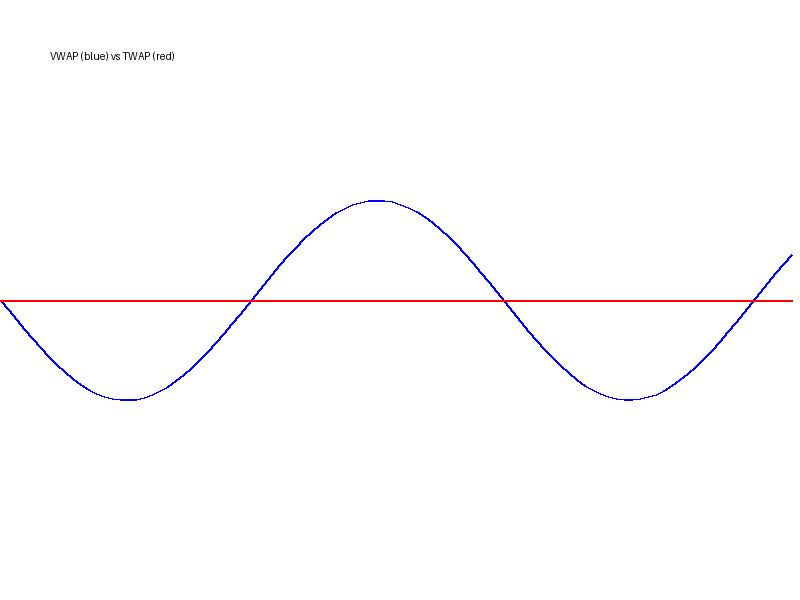
想象你需要买入价值1000万的股票,如果直接市价单买入,瞬间冲击成本可能达到1-2%。对于大型机构,聪明的执行算法可以将冲击成本降低到0.1%以下。VWAP(成交量加权平均价)和TWAP(时间加权平均价)是最经典的执行基准算法。
VWAP算法深度解析#
核心原理#
VWAP的目标是将订单拆分成小单,按照市场历史成交量分布逐步执行,使成交均价接近全天VWAP。
数学定义:
VWAP = Σ(Price_i × Volume_i) / Σ(Volume_i)动态执行策略#
import numpy as np
import pandas as pd

class VWAPExecutor:
    def __init__(self, total_shares, duration_minutes):
        self.total_shares = total_shares
        self.duration = duration_minutes
        self.executed_shares = 0

    def calculate_vwap_schedule(self, historical_volume_profile):
        """
        基于历史成交量分布制定执行计划
        historical_volume_profile: 每分钟历史成交量占比
        """
        # 归一化历史成交量分布
        volume_profile = np.array(historical_volume_profile)
        volume_profile = volume_profile / volume_profile.sum()

        # 计算每分钟应执行数量
        schedule = volume_profile * self.total_shares
        return schedule

    def adaptive_adjustment(self, current_vwap, market_vwap, tolerance=0.001):
        """
        自适应调整:如果偏离过大,动态调整执行速度
        """
        deviation = (current_vwap - market_vwap) / market_vwap

        if abs(deviation) > tolerance:
            # 偏离过大,加速或减速执行
            if current_vwap > market_vwap:
                return "speed_up"  # 当前成交价偏高,加速卖出或减速买入
            else:
                return "slow_down"
return "maintain"实战优化技巧#
1. 开盘/收盘效应的处理#
def adjust_for_market_open_close(schedule, market_phase):
    """
    调整开盘后30分钟和收盘前30分钟的执行速度
    """
    if market_phase == "opening":  # 开盘波动大,减速
        schedule[:30] *= 0.5
        schedule[30:60] *= 1.5  # 平移到后续时段
    elif market_phase == "closing":  # 收盘竞价,谨慎执行
        schedule[-30:] *= 0.3

return schedule / schedule.sum() * total_shares # 重新归一化2. 流动性检测与避让#
def detect_liquidity_dry_up(order_book, threshold=10):
    """
    检测流动性枯竭,暂停执行
    """
    bid_liquidity = sum(level[1] for level in order_book['bids'][:5])
    ask_liquidity = sum(level[1] for level in order_book['asks'][:5])

    if min(bid_liquidity, ask_liquidity) < threshold:
        return True  # 流动性不足,暂停
return FalseTWAP算法详解#
基本原理#
TWAP将订单均匀分布在时间段内,不考虑成交量分布,实现简单且可预测。
执行公式:
TWAP = (P_1 + P_2 + ... + P_n) / n实现代码#
class TWAPExecutor:
    def __init__(self, total_shares, intervals):
        self.total_shares = total_shares
        self.intervals = intervals
        self.shares_per_interval = total_shares / intervals

    def execute(self, current_time, end_time):
        """
        均匀执行订单
        """
        time_elapsed = current_time - self.start_time
        time_remaining = end_time - current_time

        # 计算应执行数量
        should_have_executed = (time_elapsed / self.duration) * self.total_shares
        actual_executed = self.executed_shares

        # 追赶或减速
        if actual_executed < should_have_executed - self.shares_per_interval:
            return "catch_up"  # 加速执行
        elif actual_executed > should_have_executed + self.shares_per_interval:
            return "slow_down"  # 减速执行

return "on_schedule"TWAP vs VWAP:如何选择?#
| 维度 | TWAP | VWAP |
|---|---|---|
| 适用场景 | 流动性均匀的大盘股 | 成交量分布明显的股票 |
| 实现复杂度 | 低 | 中 |
| 市场冲击 | 中等 | 较低(跟随市场节奏) |
| 基准风险 | 低(可预测) | 中(依赖历史模式) |
| 最佳使用时间 | 盘中平稳期 | 全天(尤其开盘/收盘) |
高级执行策略#
1. POV (Percentage of Volume)#
动态调整执行速度,保持占市场成交量的固定比例。
def pov_execution(target_pov=0.1):  # 目标占成交量10%
    while not order_complete:
        current_volume = get_current_minute_volume()
        shares_to_send = current_volume * target_pov

        # 限制最大/最小执行量
        shares_to_send = clip(shares_to_send, min_shares, max_shares)

send_order(shares_to_send)2. Implementation Shortfall (IS)#
最小化冲击成本和时机风险的权衡。
def calculate_is_costs():
    """
    计算执行短缺 = 实施缺口
    实施缺口 = 决策价格 - 实际执行均价
    """
    decision_price = order.decision_price  # 决策时价格
    execution_price = order.average_execution_price

    implementation_shortfall = (execution_price - decision_price) / decision_price

    # 分解成本
    cost_breakdown = {
        'commission': 0.0002,  # 佣金
        'market_impact': 0.001,  # 市场冲击
        'timing_cost': 0.0005,   # 时机成本
        'opportunity_cost': 0.0003  # 机会成本
    }

return implementation_shortfall, cost_breakdown实盘部署架构#
系统组件#
[Order Manager]  ← 接收父单
      ↓
[Execution Algorithm]  ← VWAP/TWAP逻辑
      ↓
[Smart Order Router]  ← 智能路由到不同交易所/券商
      ↓
[Execution Engine]  ← 发送子单
      ↓
[Market Data Handler] ← 实时行情处理关键配置参数#
execution_config = {
    'max_participation_rate': 0.15,  # 最大占成交量比例
    'min_order_size': 100,            # 最小子单大小
    'max_order_size': 10000,          # 最大子单大小
    'price_tolerance': 0.002,         # 价格容忍度(0.2%)
    'time_tolerance': 300,            # 时间容忍度(秒)
    'aggressive_level': 2             # 激进程度 1-5
}性能评估指标#
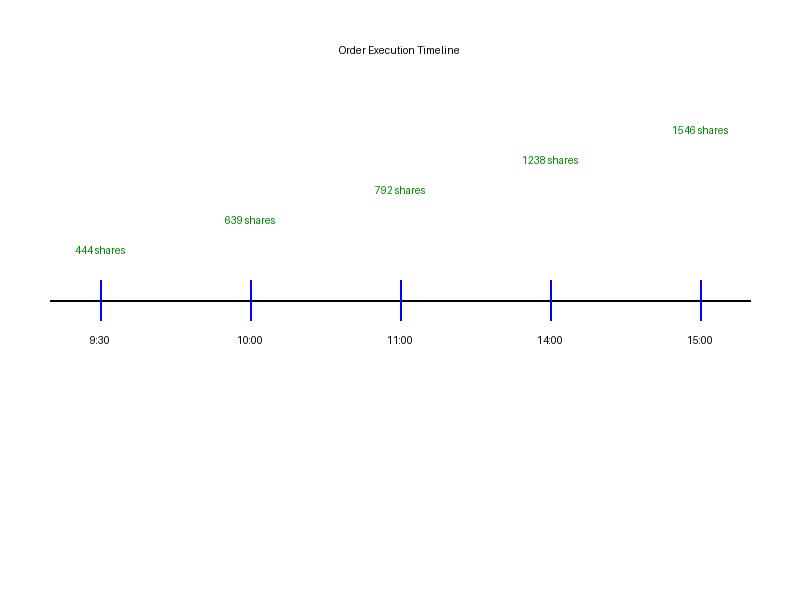
1. 执行质量指标#
- VWAP跟踪误差:|实际成交价 - VWAP| / VWAP
- TWAP跟踪误差:|实际成交价 - TWAP| / TWAP
- 冲击成本:执行前后中间价变化
- 机会成本:未及时执行导致的价格不利变动
2. 实际案例分析#
案例:买入10,000手中信证券(600030)
| 执行方式 | 成交均价 | 与VWAP偏差 | 冲击成本 | 总耗时 |
|---|---|---|---|---|
| 手动执行 | 23.45 | +0.15% | 0.12% | 45分钟 |
| VWAP算法 | 23.41 | +0.02% | 0.03% | 120分钟 |
| TWAP算法 | 23.42 | +0.06% | 0.05% | 120分钟 |
常见陷阱与应对#
1. 闪崩应对#
def crash_protection(current_price, reference_price, threshold=0.05):
    """
    闪崩保护:价格偏离超过5%时暂停执行
    """
    if abs(current_price - reference_price) / reference_price > threshold:
        cancel_all_orders()
        alert_risk_manager()
        return "halted"
return "continue"2. 流动性幻觉#
问题:看似有流动性,但大单一来就消失
解决:使用”试探性小单”测试真实流动性
def probe_liquidity(symbol, test_size=100):
    """
    发送测试单探测流动性深度
    """
    send_limit_order(symbol, test_size, 'aggressive')
    time.sleep(2)

    if order_filled:
        return "liquidity_ok"
    else:
return "liquidity_insufficient"总结与建议#
- VWAP适合:成交量分布规律、流动性好的大盘股
- TWAP适合:成交量均匀、对执行节奏要求不高的场景
- 务必进行:回测验证 + 模拟盘测试 + 小资金实盘验证
- 持续监控:实时跟踪执行偏差,设置异常报警
实战工具推荐:
- Backtrader:Python回测框架
- Interactive Brokers API:支持算法单
- QuantConnect:云端量化平台
参考资料:
- Optimal Trading in a Dynamic Market (Almgren, 2003)
- Algorithmic Trading: Winning Strategies and Their Rationale (Chan, 2013)